Trusted Pest Control Services for Safe and Effective Treatments
Dependable Pest Management Approaches: Maintain Your Home Pest-Free All Year
Maintaining a pest-free home demands a methodical strategy. Typical pests infiltrate for various causes, including food sources and shelter. Robust preventative measures serve a crucial role in maintaining these unwanted visitors at bay. Prompt responses to pest emergencies can create a substantial impact. Understanding the balance between natural remedies and synthetic pesticides is essential. Yet, many property owners overlook the nuances of ongoing upkeep and inspection. What steps can be taken to ensure long-term results?
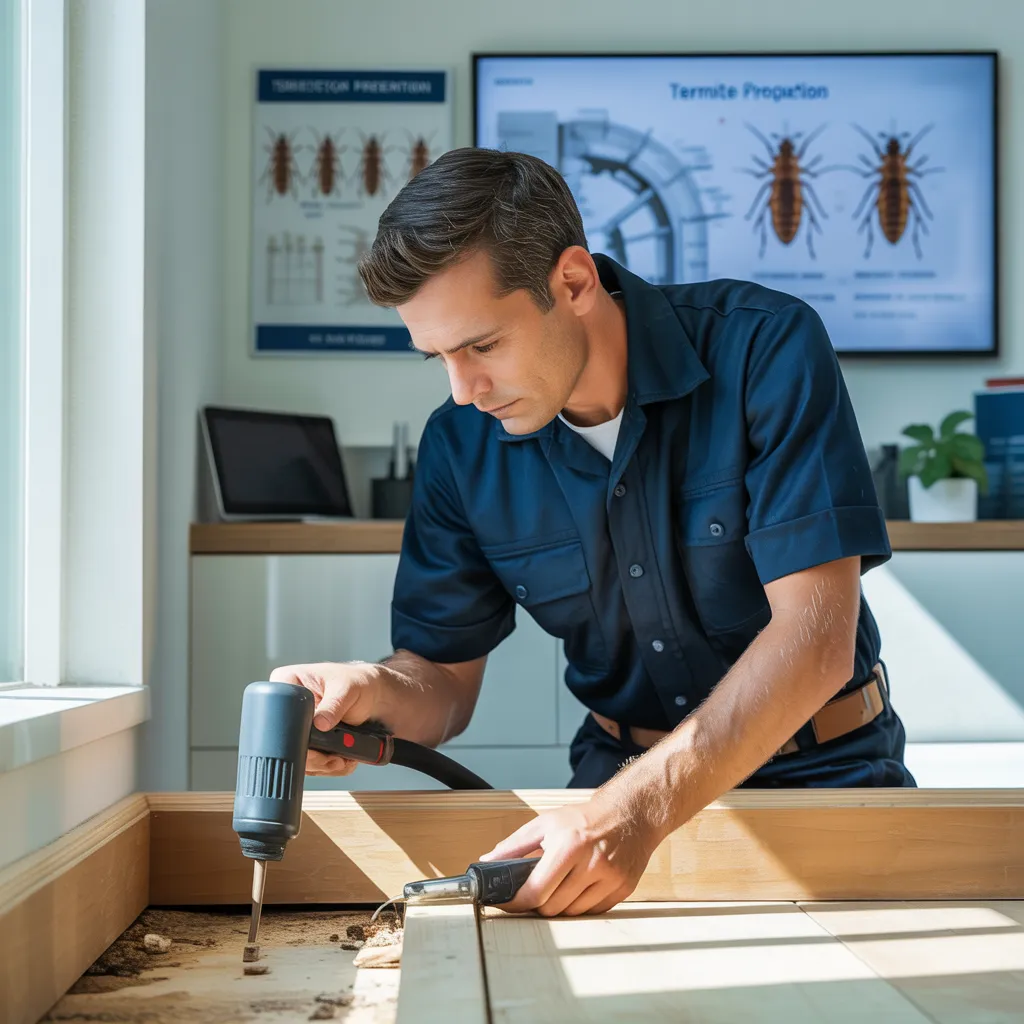
What Pests Are Prevalent and Why They Invade Your Home?
What compels pests to infiltrate homes? Various factors draw common pests, including rodents, ants, and cockroaches. Food sources, such as crumbs and spills, serve as considerable lures, providing easy access to sustenance. Additionally, moisture is a critical factor, with damp areas in kitchens and bathrooms creating favorable conditions for infestations.
Shelter acts as a vital aspect; insects search for cracks, crevices, and cluttered spaces to form habitats and remain hidden from predators. Seasonal fluctuations can exacerbate these invasions, notably during colder months when pests crave heat sources.
Particular terrains, like gardens and overgrown vegetation, can further attract pests, offering both food and shelter. Recognizing these motivations helps homeowners understand the importance of maintaining a neat, dry, and well-sealed environment to prevent unwanted guests. By tackling these factors, the likelihood of pest invasions can be considerably reduced.
Effective Preventive Strategies to Prevent Pests Away
To effectively prevent pest intrusion, individuals should concentrate on closing access routes, maintaining a clean environment, and performing routine checks. These proactive measures create barriers that discourage insects from entering homes and create an unwelcoming environment. Applying these methods can greatly reduce the likelihood of infestations.
Seal Entry Points
Sealing openings is an vital step in efficient pest control because it considerably lessens the likelihood of infestations. Pests frequently enter houses through small gaps and fissures in walls, windows, and doors. Homeowners must carry out a comprehensive inspection to identify vulnerable spots such as utility lines, vents, and foundation cracks. Employing materials such as caulk, weather stripping, and mesh screens can successfully block these entry points. Regular maintenance is necessary since wear and tear may cause new openings. By adopting proactive measures to seal entry points, homeowners can dramatically reduce the risk of pests penetrating their living spaces, promoting a healthier and comfortable environment.
Sustain a fresh environment
A clean environment serves as a formidable barrier from pests, considerably reducing the chances of infestations. Frequent cleaning techniques, like vacuuming and dusting, get rid of food particles and potential nesting sites, making homes unappealing to insects and rodents. Proper waste management is important; storing garbage in secure containers stops pests from being drawn towards odors. Additionally, cleaning spills and crumbs promptly discourages pests from establishing a presence. Attention should also be given to outdoor areas; maintaining gardens and yards, such as trimming overgrown plants, can discourage pests from entering the home. By fostering a always clean environment, homeowners can greatly enhance their pest prevention efforts, producing a less hospitable atmosphere for unwanted intruders throughout the year.
Periodic Inspections Compulsory
Keeping a clear environment is essential, and regular inspections hold equal importance in preventing pest infestations. Homeowners should perform thorough checks of both inside and outside locations, focusing on typical problem areas such as basements, attics, and the areas around windows and doors. These inspections help in identifying early signs of pest activity, including droppings or damaged materials. Additionally, seasonal inspections can detect vulnerabilities caused by changing weather conditions, allowing for timely interventions. Engaging professional pest control services for in-depth assessments can further improve prevention efforts. By giving priority to regular inspections, individuals can protect their homes and ensure a proactive stance on pest management, greatly reducing the risk of an infestation taking hold.
Ways for Responding Quickly to Pest Emergencies
When pest emergencies occur, precise recognition of the pest is critical for proper management. Pinpointing the pest species facilitates the adoption of tailored management strategies. Immediate response not only lessens damage but also inhibits future pest occurrences.
Identify The Pest Quickly
How can homeowners efficiently respond to infestation crises? The first step is spotting the pest promptly. Recognizing the specific type of pest enables targeted action and stops further infestation. Homeowners should note key characteristics such as dimensions, hue, and behavior, while also noting the location of the pest. Utilizing online resources or pest identification apps can facilitate this process. Additionally, maintaining a pest journal can help track sightings and patterns, making it simpler to identify recurring issues. When in doubt, consulting a pest control professional can provide insight and expert insight. Prompt identification not only assists in immediate response but also guides long-term prevention strategies, ensuring a pest-free environment year-round.
Enforce Emergency Discipline Instruments
Acting quickly is vital when a pest infestation arises. Immediate control measures can greatly lessen damage and minimize health risks. First, examine the situation to identify the type of pest and the extent of the infestation. This assessment directs the choice of appropriate treatment methods. For insects like ants or cockroaches, traps or insecticides can be applied quickly. In cases involving larger pests, such as rodents, sealing entry points and setting traps is critical. It’s important to maintain safety by using protective gear when handling chemicals. If the infestation appears severe, contacting a professional pest control service is advisable. Quick action not only tackles the immediate threat but also prevents pests from becoming a persistent issue.
Selecting Between Natural Remedies and Chemical Treatments for Pest Control
When facing insect control issues, should homeowners select natural remedies or chemical treatments? This choice often is based on personal preferences, success, and environmental concerns. Natural remedies like diatomaceous earth, essential oils, and vinegar solutions are favored by those who prefer natural options. They tend to be safer for children and pets, though they may require more frequent uses and can offer less strength compared to chemical solutions.
Alternatively, chemical treatments, including insect killers and rodenticides, often result in immediate and strong effects. However, they carry health risks and may cause pests to develop resistance over time. Homeowners need to balance the advantages and disadvantages of each method, considering factors such as the severity of the infestation, the presence of vulnerable individuals in the home, and long-term sustainability. Ultimately, a thoughtful plan that combines both methods may achieve the best results for maintaining a pest-free environment.
When Is It Best to Phone a Pest Management Professional?
Deciding the suitable time to contact a pest control professional can substantially impact the success of pest control endeavors. Homeowners ought to consider reaching out to a specialist when they spot signs of an infestation that goes beyond their ability to address, such as a substantial presence of rats and mice or insects. Furthermore, if DIY approaches don't yield positive outcomes after a reasonable timeframe, it may be wise to seek out expert services.
An important factor is the possible health risks related to particular pests. For instance, termites can generate building complete article damage, while cockroaches may trigger allergies or asthma. Also, if pests are detected in sensitive areas like kitchens or bedrooms, expert support is suggested. Finally, if the pest problem is persistent or recurring, an expert can provide a all-encompassing examination, making certain a sustained solution rather than provisional relief. Identifying these scenarios expeditiously can lead to a more efficient and effective pest control strategy.
Year-Round Recommendations for a Pest-Free Residence
Once homeowners recognize when to contact professional pest control assistance, they can adopt preventive actions to keep a home without pests all year long. Regular inspections are vital; looking for signs of infestations, such as droppings or habitats, can help spot problems in advance. Block any cracks or gaps in building exteriors and openings to block bugs and rodents from entering. Maintaining cleanliness is vital; promptly cleaning up food spills and storing food in airtight containers can deter pests.
Seasonal tasks also play a role. In spring, homeowners need to clean out debris from yards and cut back overgrown shrubs. In fall, ensuring gutters are clean and downspouts lead water away from the foundation can lessen moisture buildup, which draw pests. Finally, employing natural repellents, such as essential oils or diatomaceous earth, can provide an effective, eco-friendly approach to pest management. By implementing these strategies, homeowners can greatly decrease their risk of infestations year-round.
Often Requested Questions
How Do Climate Shifts Impact Insect Behavior Indoors?
Climate shifts considerably influence indoor pest activity. Warmer temperatures may elevate insect breeding, while humidity can facilitate infestations. Conversely, colder conditions often push pests indoors, searching for shelter and food, thereby intensifying indoor pest problems.
Do Companion animals Invite Pests Into Your Home?
Pets can undoubtedly lure pests into the residence. Their fur, food, and waste commonly become attractors for fleas, ticks, and rodents, enhancing the risk of infestations if not adequately controlled and managed.
What Part Does Landscaping Have in Pest Control?
Proper plant selection, regular maintenance, and strategic placement are key tools for pest control by shaping habitat suitability. These landscaping practices can prevent pests from settling in, remove shelter options for pests, and boost populations of beneficial insects, ultimately promoting overall environmental wellness.
Do Certain Times of Year See Increased Pest Movement?
Pests are typically more active during hot seasons, particularly spring and summer, when heat increases and food sources are plentiful. Fall may see heightened presence as organisms prepare for winter, seeking shelter and sustenance.
What Steps Can I Take to Identify the Starting Point of My Insect Problem?
To determine the cause of a pest problem, it is necessary to examine all potential entry points, review food storage areas, and look for signs of infestation, like droppings or nests, to identify the root of the infestation.